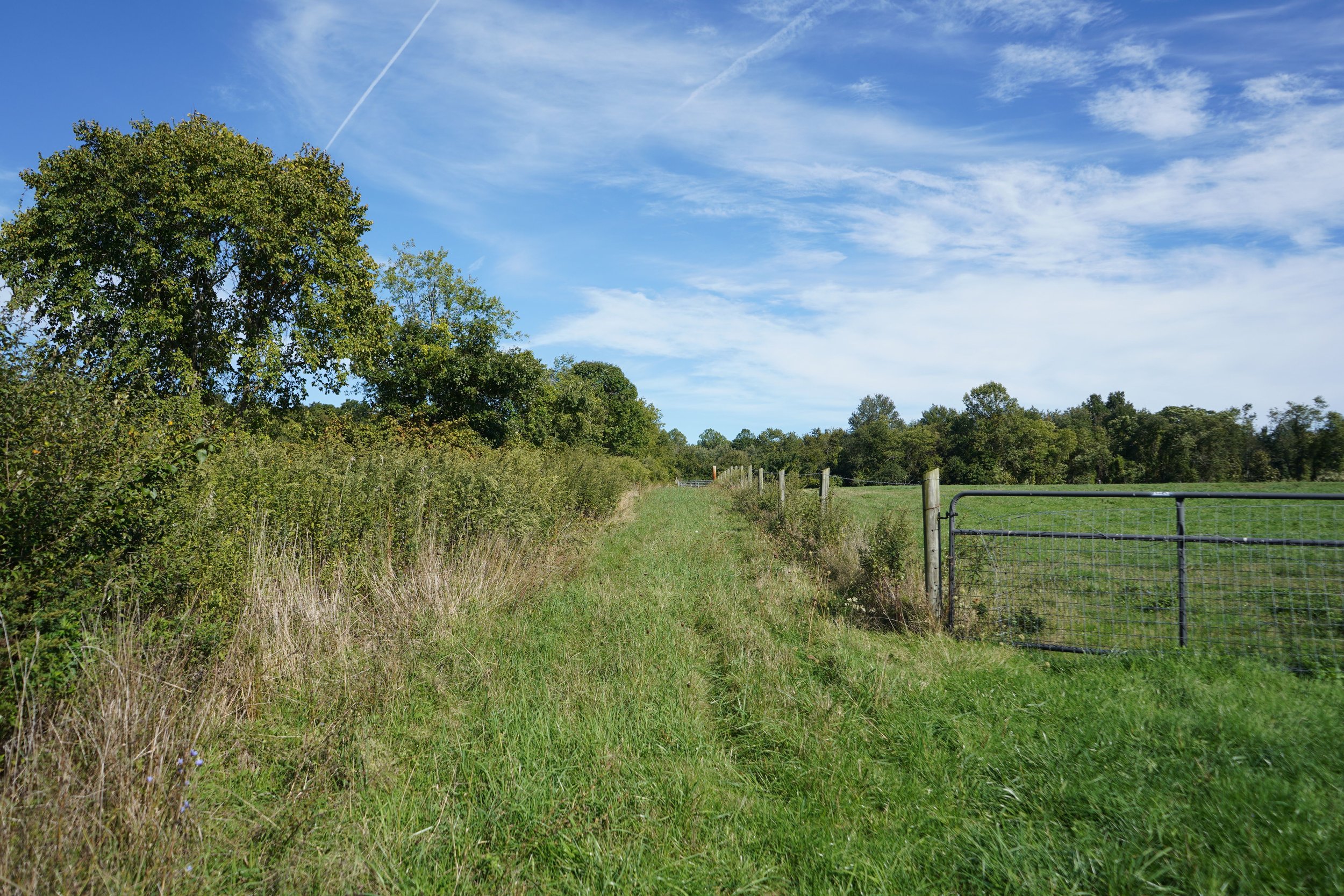
Welcome to the New York Carbon Farm Network Hub
The New York Carbon Farm Network is an interdependent group of small brands and independent designers who want to source Climate Beneficial™ fibers from farms that are implementing Carbon Farm Practices on their lands. Our Carbon Farm Network is organized as a purchasing cooperative, where designers work collaboratively to source fibers and make yarns for the commercial production of textile products.
Currently, our Carbon Farm Network provides Carbon Farm Planning to our collaborating farmers through our affiliate organization, Fibershed. Early, catalytic institutional support for this work came from the USDA Climate-Smart Commodities program. We are now seeking sustained funding for our regional program to deepen and scale support for our growers by expanding carbon farm planning services, increasing producer enrollment - especially among underserved and small-farm communities. Our aim is to strengthen marketing and supply-chain capacity to meet rapidly rising demand for high quality, Climate Beneficial™ Verified materials. Meeting the market’s growing need for climate-beneficial natural fibers will require sustained investment from institutions as well as public and private funders. For those who are interested in supporting our regional farms and Climate Beneficial™ program, visit New York Fibershed.







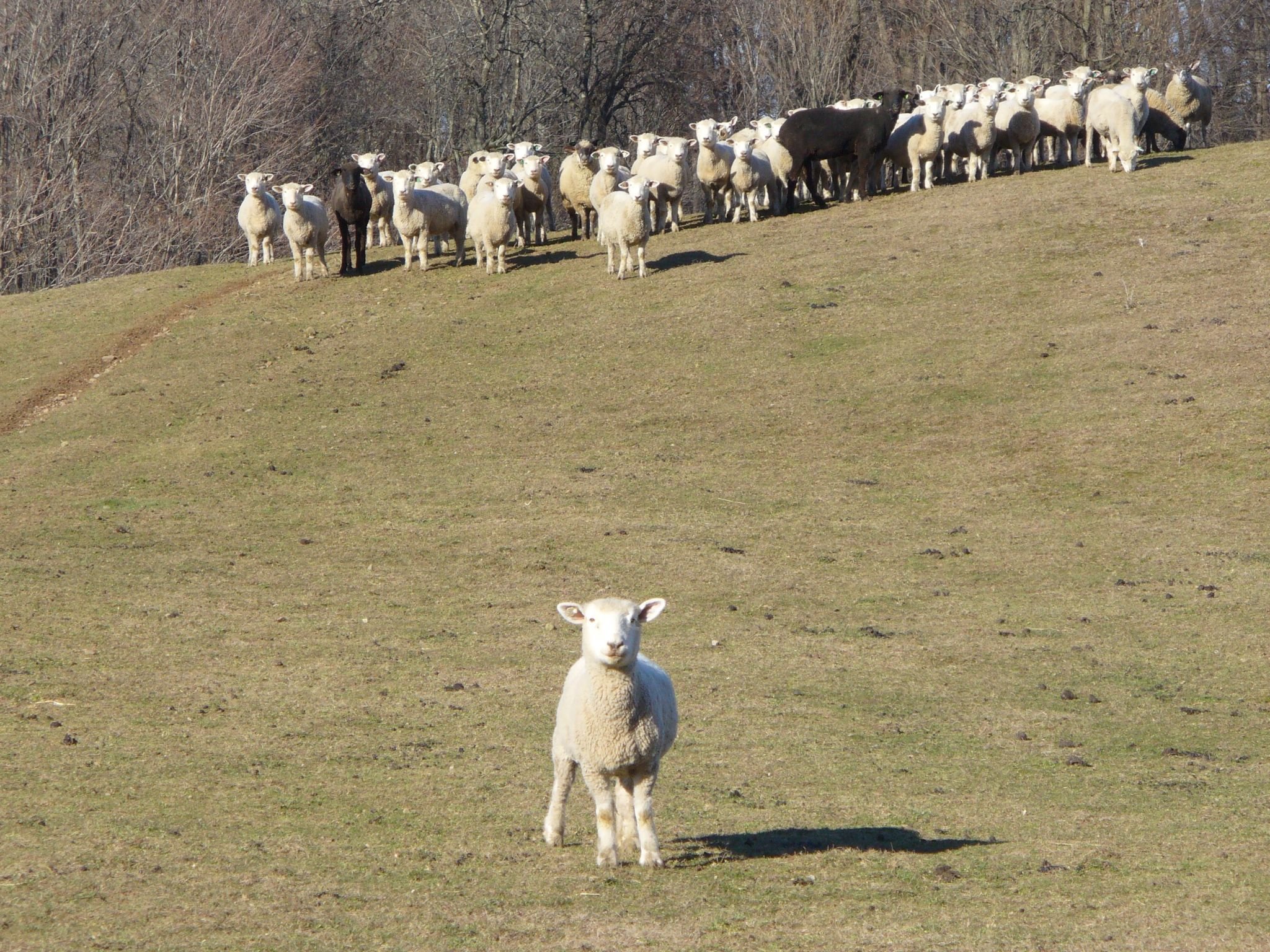
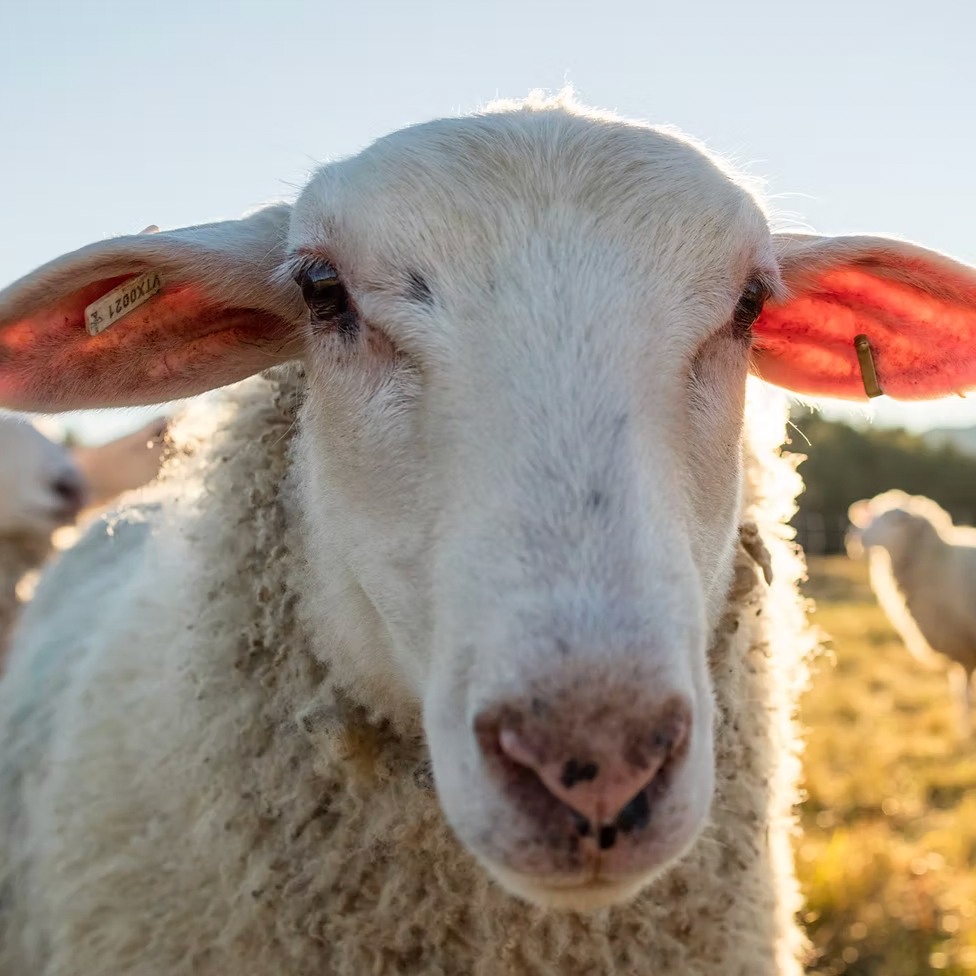

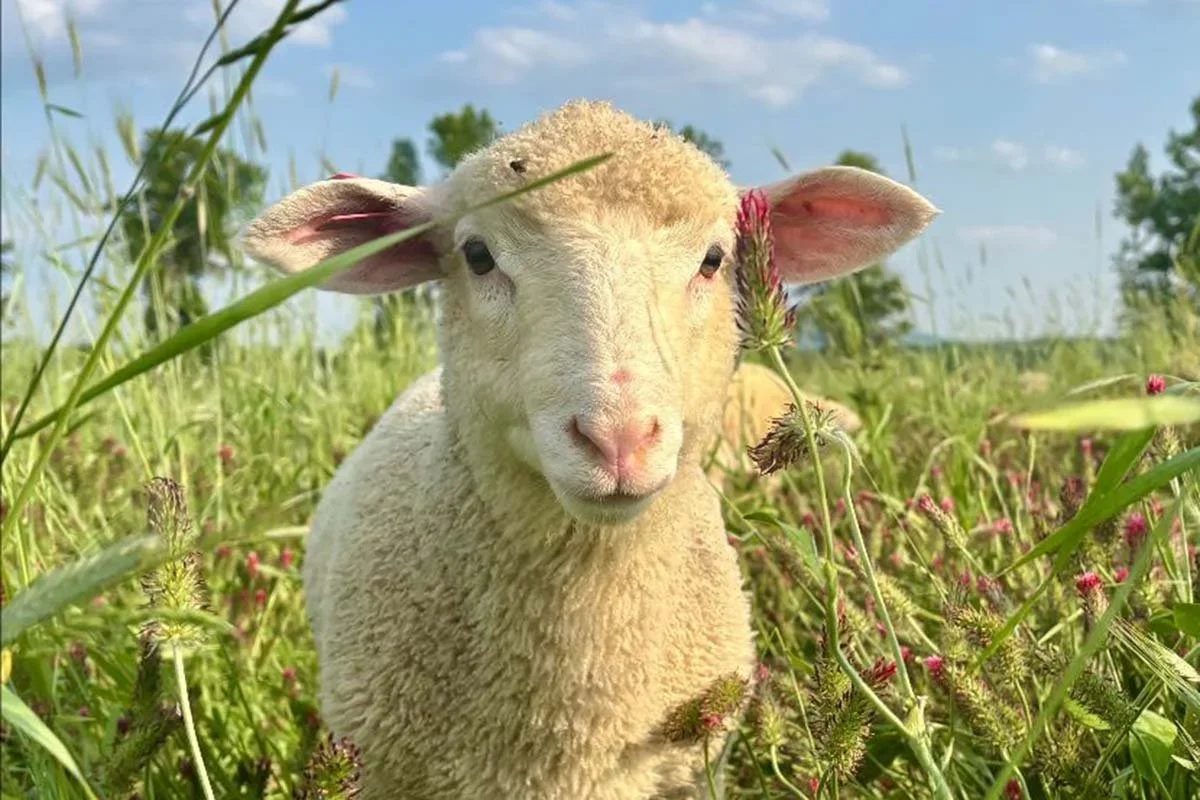
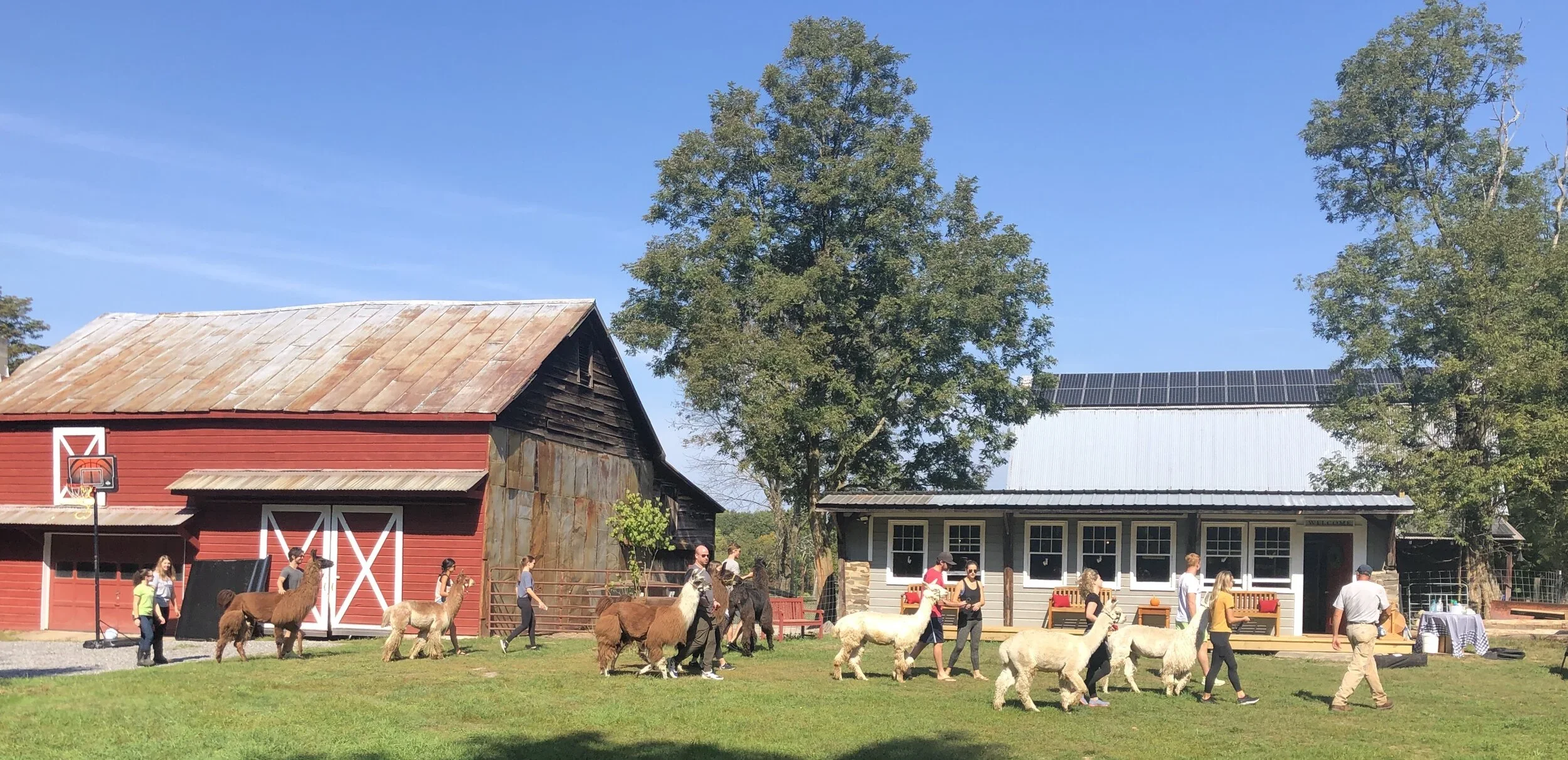
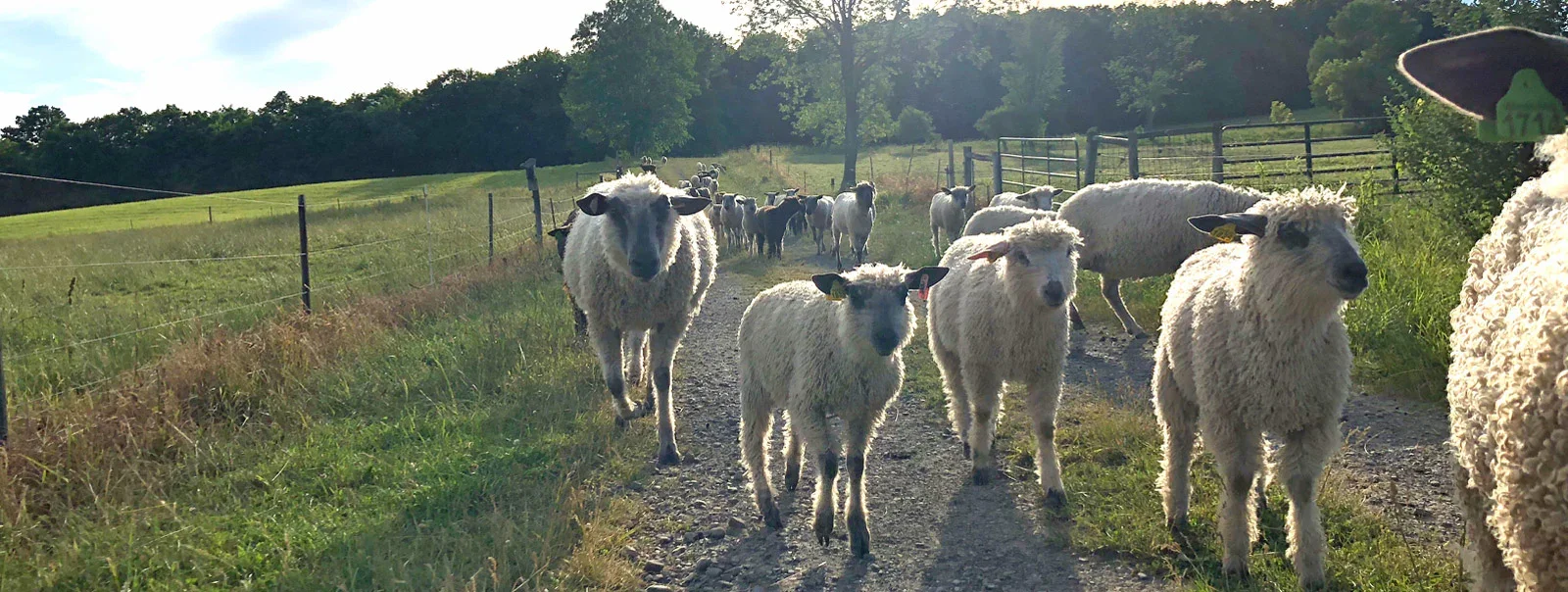
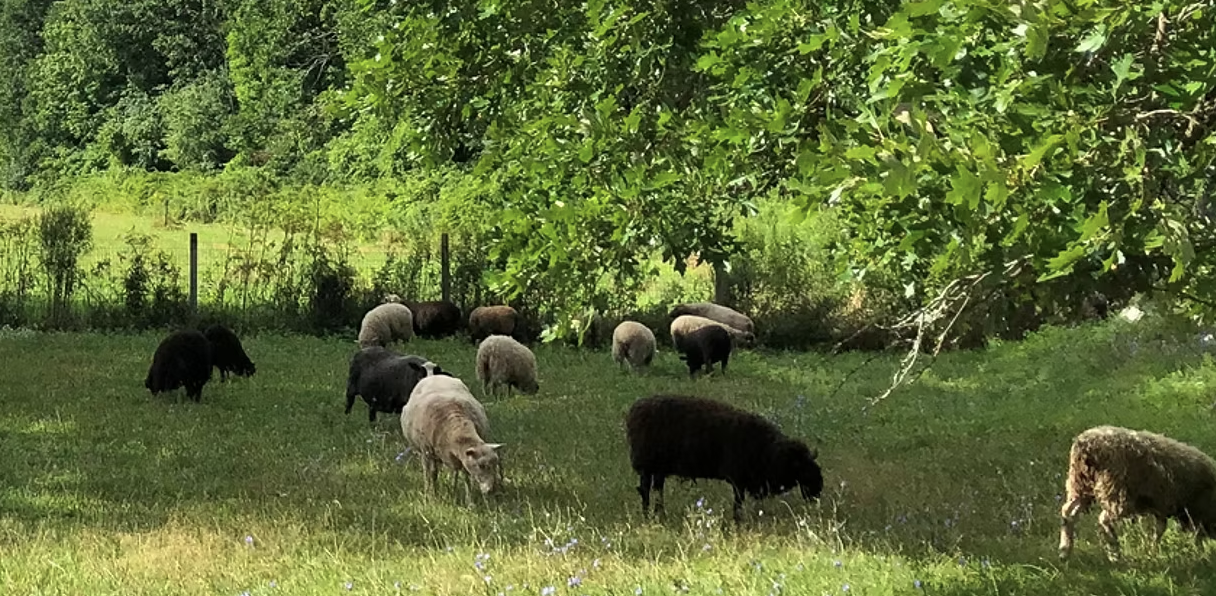


Each year in late September, New York Textile Lab hosts a Carbon Farm Tour at one of our participating Carbon Farm Network (CFN) farms. Designers and textile artists are invited to get hands-on with healthy soil and learn about Climate Beneficial™ verification, established by our nonprofit affiliate, Fibershed.
The tour features technical speakers who share practical insight into carbon farming, carbon sequestration, and related regenerative practices. Past speakers have included Harmony Varner, our Carbon Farm Planner, Gibson Durnford from the Watershed Agricultural Council, and Mary Kate Randolph - Fibershed’s Climate Beneficial Systems Director.
Throughout the day, visitors network and learn from innovators across agriculture and design who are actively working to shift textile production toward regenerative models. Climate Beneficial textiles are on display, and the program concludes with a Q&A panel focused on strategies for growing a textile industry rooted in social and environmental equity.